On the understanding of law in the context of war and peace

The most sacred thing that God has on earth is the right of people. The paradigm of law as the most sacred of God's creations for people was expressed by I. Kant in his reflections on eternal peace.
The great thinker saw the nature of war in his own way and could not go beyond the civilisational possibilities of the world of his time.
However, the statements that politics should follow law and morality, that interstate relations should be based on law, that justice in relations between states is the basis of such relations, that the issue of war is a matter that concerns not only rulers but the all peoplen - were the first worldview statements and remain extremely relevant today, several centuries after Kant's statements.
When we hear that realpolitik determines the world order, we are moving further and further away from law, in contrast to Kant's understanding.
Law in the sense of justice, equality, freedom is not accepted in many political and legal systems, in many, if not most states. International law is also not perceived through the idea of law, but is reduced to norms, rules established by the international community, international agreements and the actual behaviour of states in relations, which acquires the character of customs.
An understanding of law that is far from the truth, from the essence of law, is the reason for the destruction of legal systems, and is the root cause of the destruction of the world legal order, which we can observe in the world today.
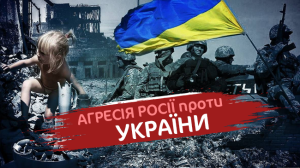
In poetry and culture, it is thought that returning to peace, to a happy childhood without war, without bombing or missile attacks, without the threat of a nuclear cataclysm, is like coming back into the world accompanied by your mother's warmth. Well, indeed, to return to peace from war is to be born again, having a great experience of a life disfigured by war.
The world will not perish because there are fewer evil people - this thought of Kant, among his other reflections that are so far removed from real politics that they lose their practical significance, has one defining quality: evil on earth needs to be fought against and destroyed.
Otherwise, all efforts to uphold the law, moral norms in international relations, and justice lose their meaning.
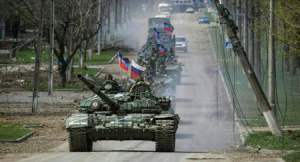
After all, the attitude of the head of a state that spreads evil and is now destroying everything Ukrainian wherever it has the opportunity to do so, the attitude of the murderer demonstrated to the world, meeting the terrorist on the red carpet and embracing him, closes the question of morality and law in that state.
The power, the desire for power and the use of power in a way that is far from law, the commission of thousands and thousands of crimes during an aggressive war cannot be the subject of an assessment of how to fight the evil that is spreading around the world. We need to fight and resist. Otherwise, the terrorists will destroy what they see fit, and eventually destroy the world.
The Kantian understanding of the most sacred thing that God has given to humans, the right, requires a hard struggle for the right of every person, society, and state on the entire planet. Such a struggle is holy in essence and is a struggle for life on the planet.
Eternal peace in the Kantian sense is the result of the development of civilisations, but it turned out that on the way to such peace, humanity is facing a war for law and peace against evil, which spreads violence and destroys humanity.
Realpolitik, as the root cause of wars, must be subordinated to law, must take the place that belongs to the results of human activity, which always and in all cases has a legal dimension.
Petro Yasen
Translated with DeepL.com (free version)